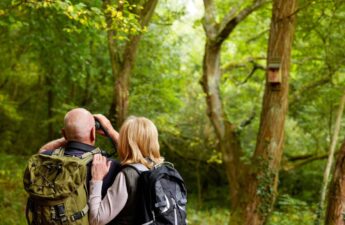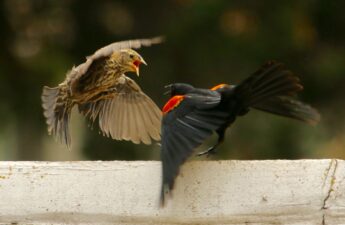
Over the years, working as a landscaper in Melbourne, I’ve noticed how the right garden choices can completely change the kinds of birds that visit. You don’t always have to travel far to enjoy birdwatching—some of the best sightings can happen right at home. With a few small changes, you can make your backyard a welcoming place for native birds and enjoy more colour, song, and life around you.
Why Attract Birds to Your Melbourne Garden?
Birds aren’t just lovely to have around—they’re an important part of our environment. Honeyeaters and lorikeets help with pollination, small insect-eaters like fantails reduce pests, and kookaburras even keep rodents in check. On a personal level, having birds visit your garden brings a sense of calm and connection with nature.
The good news is you don’t need a huge space to make a difference. Whether you’ve got a big backyard, a courtyard, or a balcony, there are simple ways to encourage native birdlife.
Plant Native for Food and Shelter
One of the easiest and most effective steps is planting natives. Species like grevilleas, bottlebrush, and banksias are perfect for attracting honeyeaters and lorikeets, while wattles and flowering gums bring in a wide variety of birds.
Think about layering your plants: tall trees for perching, shrubs for shelter, and groundcovers to bring in insects. Even if you only have space for a few pots, choosing native species can still attract visitors.
Provide Fresh Water
Birds need access to water, especially in summer. A simple birdbath in a shady spot works wonders. Place it near shrubs or trees so birds can perch safely before coming down. Keep the water shallow, clean, and topped up.
You’ll soon notice that once one bird finds it, others quickly follow. Magpies, wrens, and even parrots might all stop by to drink or bathe.
Create Shelter and Nesting Opportunities
For birds to stick around, they need to feel safe. Dense shrubs and grasses give cover from predators, while larger trees provide resting spots. If your garden doesn’t have old trees with hollows, consider adding a nest box. Rosellas, pardalotes, and kookaburras all make use of them when positioned well.
Feed the Right Way
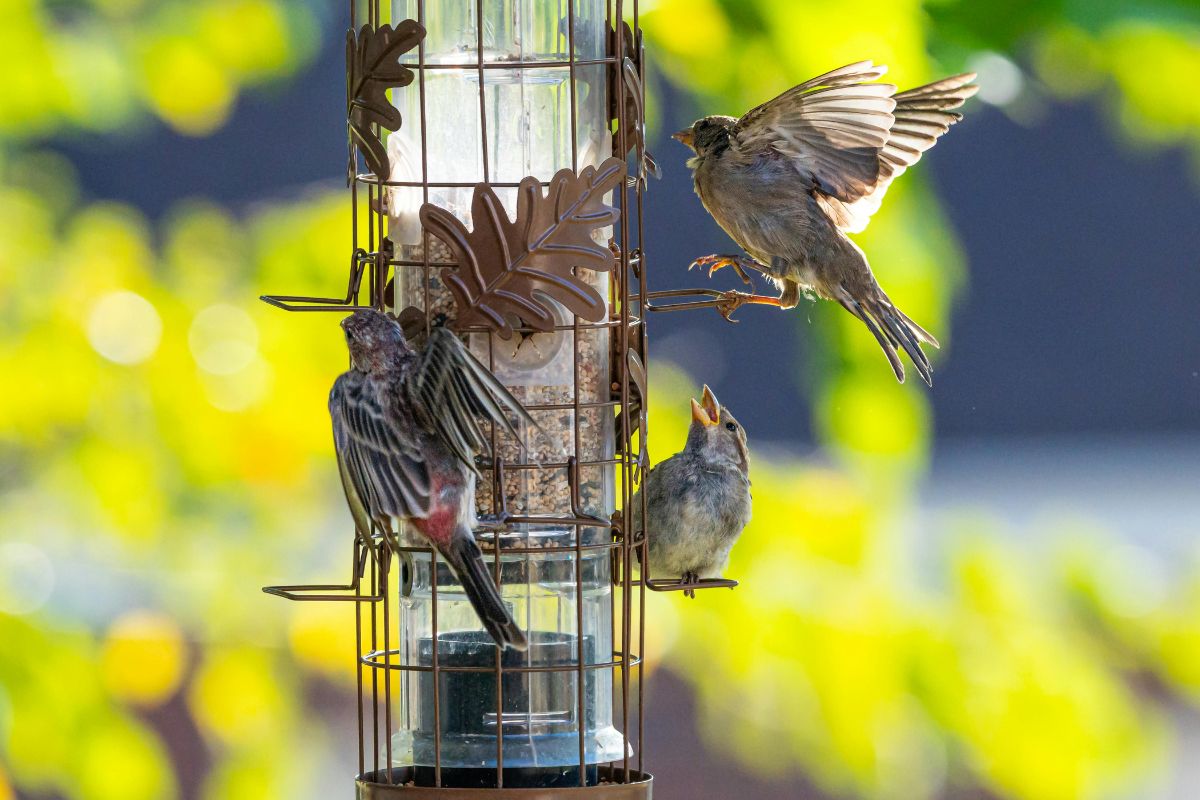
It’s tempting to throw out bread or seed, but these aren’t healthy for birds and often attract pests like pigeons. The best option is to let your plants provide food naturally. Nectar-rich flowers, seeding grasses, and insect-attracting plants will keep things balanced. If you want to go further, you can use specially designed nectar mixes for natives, but do so sparingly.
A Few Extra Tips
Avoid pesticides—removing insects also removes food for many small birds.
Keep cats indoors or supervised, as they are one of the biggest threats to native bird populations.
Be patient. Native plants take time to establish, but once they do, they’ll support birdlife for years.
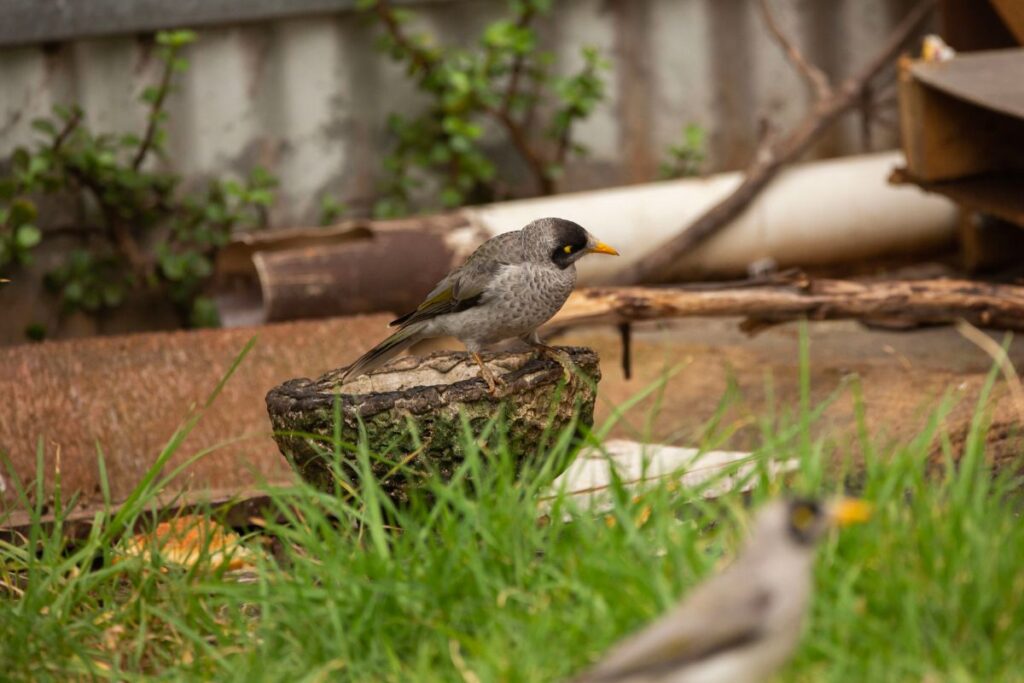
The Joy of Backyard Birding
What I love about backyard birding is how it encourages you to slow down and notice the little things. Sitting outside with a morning coffee might turn into spotting fairywrens darting through shrubs. In the evenings, lorikeets might arrive noisily in groups. Even common magpies are fascinating when you start watching their behaviour closely.
For me, the most rewarding part of landscaping is seeing a garden come alive with movement and sound. Birds bring another layer of beauty that no amount of design alone can match. When they start treating your garden as their own, it feels like nature is giving something back.
Final Thoughts
Attracting native birds is easier than most people think – you don’t need to be a qualified landscaper in Melbourne to make your own garden oasis. A few native plants, a birdbath, and safe spots for shelter can turn your garden into a haven. Start small, see who arrives, and build from there. Before long, you’ll have a regular crowd of feathered visitors brightening up your days.