Australia is home to some of the most unique birdlife in the world, and Melbourne is no exception. From colourful parrots to tiny fairywrens, our suburbs, parks, and bushland are alive with activity. But alongside these native species are others that don’t belong here—introduced birds that compete for food, shelter, and nesting space. These invasive species can have a big impact on our local bird populations, and understanding their role is the first step towards helping our natives thrive.
What Do We Mean By “Invasive”?
An invasive species is one that has been introduced, either deliberately or by accident, and has spread to the point where it causes harm to the local environment. Some of these birds were brought in long ago and have adapted very well to city life. While they might seem like part of the scenery now, their presence often puts pressure on native species that haven’t evolved to deal with them.
Common Invasive Birds In Melbourne
Several non-native species have established strong populations in Melbourne. The most noticeable include:
- Indian mynas: Highly aggressive, known for chasing away smaller birds and taking over nesting hollows.
- European starlings: Form large flocks, compete for food, and damage crops.
- House sparrows and pigeons: Common in built-up areas, often outcompete natives in urban spaces.
These species are particularly successful in cities because they adapt easily to human environments. They’re comfortable nesting in buildings, scavenging around rubbish, and thriving in places where native birds may struggle.
How Invasive Species Affect Native Birds
One of the biggest problems is competition for nesting space. Many native birds rely on tree hollows or sheltered spots to raise their young. In suburban Melbourne, where old trees with natural hollows are limited, introduced birds often take over the available spaces. It’s not uncommon to see them nesting in Melbourne suburban roof cavities too—a place where natives like rosellas or kookaburras might otherwise find shelter. From a small roof crack, birds can quickly build their own ‘mansion’ which can later on lead to an expensive roof restoration in Melbourne.
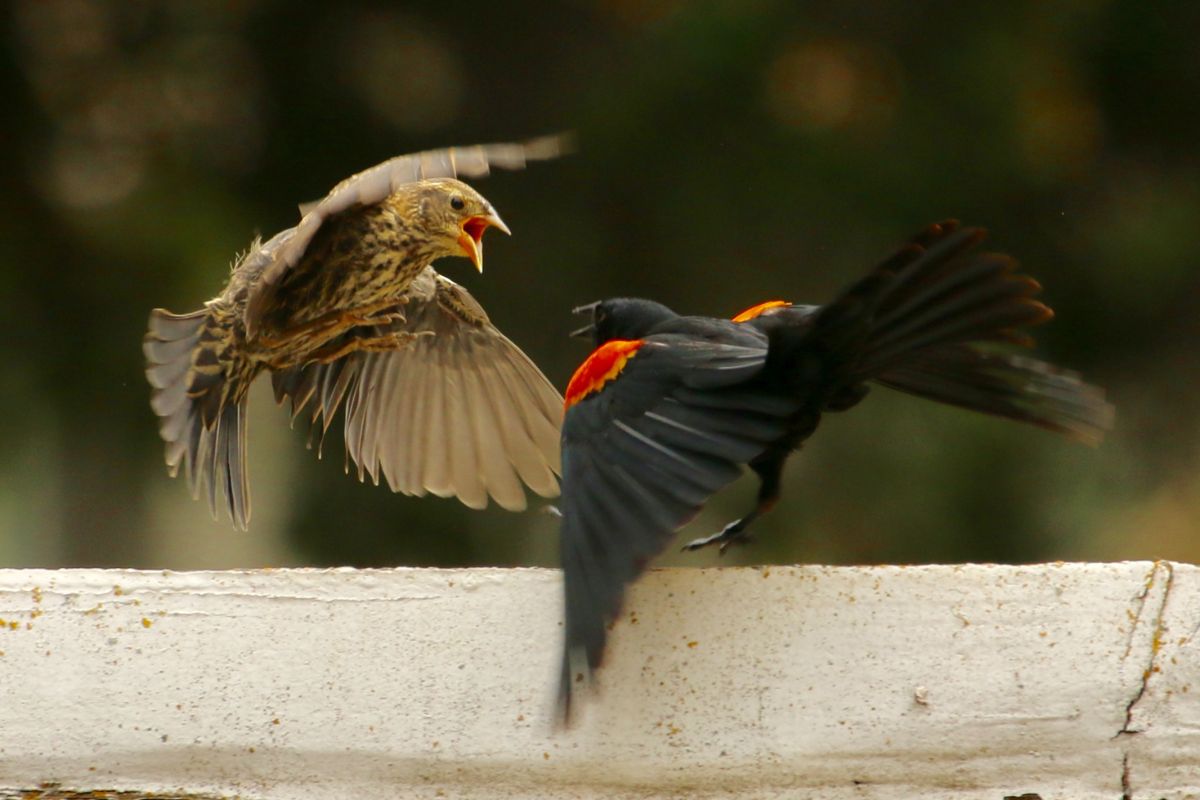
Aggressive behaviour is another issue. Indian mynas, for example, are notorious for harassing smaller species, sometimes even removing eggs or chicks from nests. Over time, this can push local populations into decline.
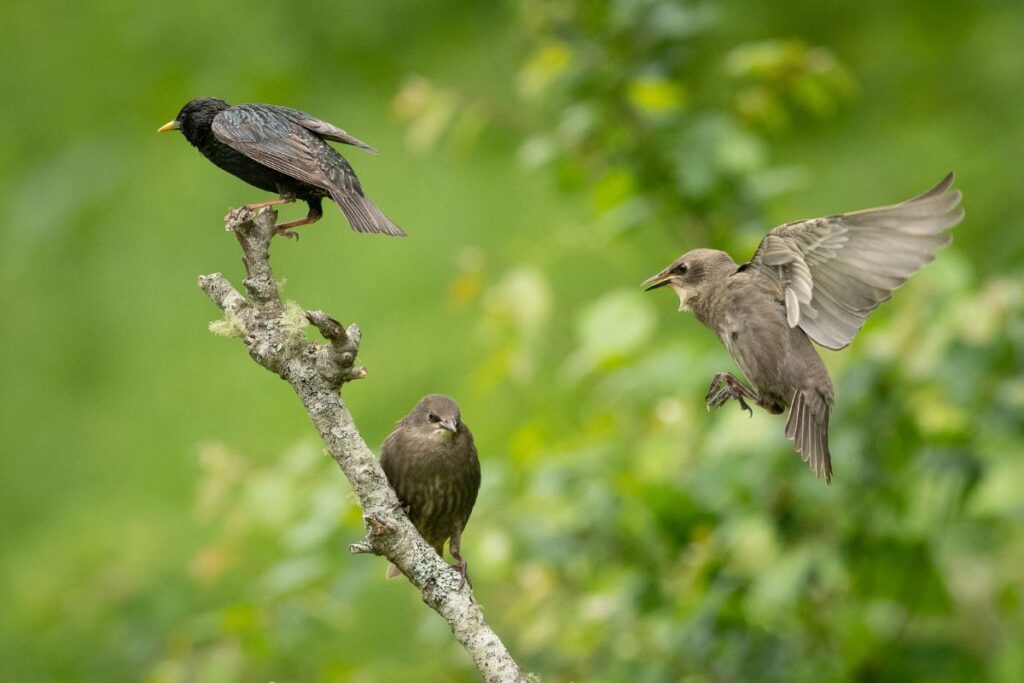
Food competition plays a part as well. Invasive species are generalists—they’ll eat almost anything—so they often outcompete specialist feeders that rely on certain plants or insects. And because some invasive birds flock in large numbers, they can quickly strip an area of resources.
Finally, these species can spread diseases and parasites, which may be harmful to native birds. With populations already under pressure from habitat loss, the extra stress of invasive competition can be significant.
The Human Connection
It’s worth remembering that these species didn’t just appear on their own. Most were brought here by people, often with good intentions. Starlings were introduced in the 19th century to control insect pests, while pigeons arrived with European settlers. Over time, they’ve adapted to the environments we’ve created—urban sprawl, modified landscapes, and plenty of food scraps.
In many ways, invasive birds are a symptom of how we’ve changed the land. Clearing large trees, paving over wetlands, and encouraging manicured gardens all create conditions that suit hardy generalists rather than delicate natives.
What Can We Do?
While we can’t undo the past, there are steps we can take to make life easier for native birds. Some of the most effective approaches start close to home:
- Plant native vegetation: Local plants provide the food and shelter that invasive species often can’t make use of.
- Add safe nesting options: Properly designed nest boxes give natives a chance against hollow-nesting invaders.
- Avoid feeding invasive species: Bread and seed scraps often encourage pigeons and mynas. Let native plants do the feeding instead.
- Support community efforts: Many councils run programs aimed at managing invasive species and protecting habitat. Getting involved helps amplify those efforts.
Small changes in gardens and neighbourhoods can make a big difference when adopted widely.
A Balanced Perspective
It’s easy to get frustrated with invasive species, especially when you see them chasing off smaller natives or taking over nesting spaces. But it’s also important to remember that they’re simply doing what comes naturally. They’ve adapted to the environments we’ve created, and they’re making the most of the opportunities available.
That said, protecting biodiversity means giving our native birds a fair chance. By improving habitats and reducing the advantages invasive species have in urban areas, we can start to tip the balance back in favour of the birds that truly belong here.
Final Thoughts
Melbourne’s birdlife is one of its greatest treasures, but it faces challenges from species that weren’t meant to be here. Indian mynas, starlings, sparrows, and pigeons may be a familiar sight, but their impact on native birds is significant. They compete for food, nesting space, and territory, often at the expense of smaller and more vulnerable species.
As someone who spends a lot of time outdoors, I see both sides: invasive birds making the most of our built environment, and native birds struggling to adapt. I’ve even watched as birds choose to shelter under roof eaves or in roof cavities simply because they can’t find enough old trees. It’s a reminder that the choices we make in our backyards and suburbs matter.
The good news is that with the right plants, safe nesting spaces, and community awareness, we can help restore balance. Every garden that supports native species is a step towards protecting Melbourne’s incredible birdlife for the future.