
Birdwatching offers more than just the thrill of spotting a rare species or capturing a beautiful bird in flight. Over time, many people — including myself, working outdoors as a landscaper — find that watching birds has real, positive effects on mental health. It helps reduce stress, lift mood, sharpen the senses, and bring you back into the present moment. There is growing evidence, even from Australian projects, that these benefits are more than just anecdote.
Forget Busy Melbourne City Life & Focus on Nature
Modern life in a busy city like Melbourne tends to pull us in many directions. Work, screens, schedules — all of them demand attention. Birdwatching gives the mind a break. You slow down. You listen. You notice movement and sound. That quiet attention is a form of mindfulness: being fully present, observing what’s around you without judgement or rush.
A BirdLife Australia article, reflecting on the “Aussie Bird Count,” reports how many participants felt more relaxed, more connected with nature, calmer and more in tune with their surroundings after simply taking time to watch and count the birds in their local area.
Evidence from Research
There are also formal studies backing up what many of us feel. A recent birdwatching experimental study (2024) by researchers at North Carolina State University found that college students who spent time birdwatching had significantly greater improvements in subjective well-being and reductions in psychological distress compared with those who simply took nature walks or no intervention. The birdwatching group outperformed the others on measures of mood, calmness, and overall mental health.
Another birdwatching study, part of global research including people in Victoria, Australia, asked more than 1,200 participants to record whether they could see or hear birds over time. It found that those who regularly did had higher scores for mental well-being; even hearing birdsong was linked with better mood, including for people who had depression.
How Birdwatching Helps
From personal experience as a landscaper, I see how gardens, parks, street trees and even small urban green patches can become places where birds flourish. And when birds flourish, people benefit. Here are some of the ways birdwatching supports mental health:
- Stress reduction and mood boost: Observing birdsong, watching flight, or seeing colour and movement can reduce stress hormones, quieten anxiety, and increase feelings of calm.
- Mindfulness and focus: Birdwatching forces you to pay attention — the sound of wings, a fellow feathered visitor perching, subtle shifts in behaviour. That’s calming, restorative.
- Physical and outdoor time: Whether walking through a reserve, sitting quietly in your garden, or landscaping a patch of native plants, there’s gentle movement, fresh air, and a break from indoor or screen-dominated environments.
- Sense of connection and wonder: When you watch birds, you connect with something bigger. That could be the seasons, the local ecosystem, or just the simple joy of noticing life around you. This connection often helps people feel less isolated or overwhelmed.
Melbourne Birdwatching Experience
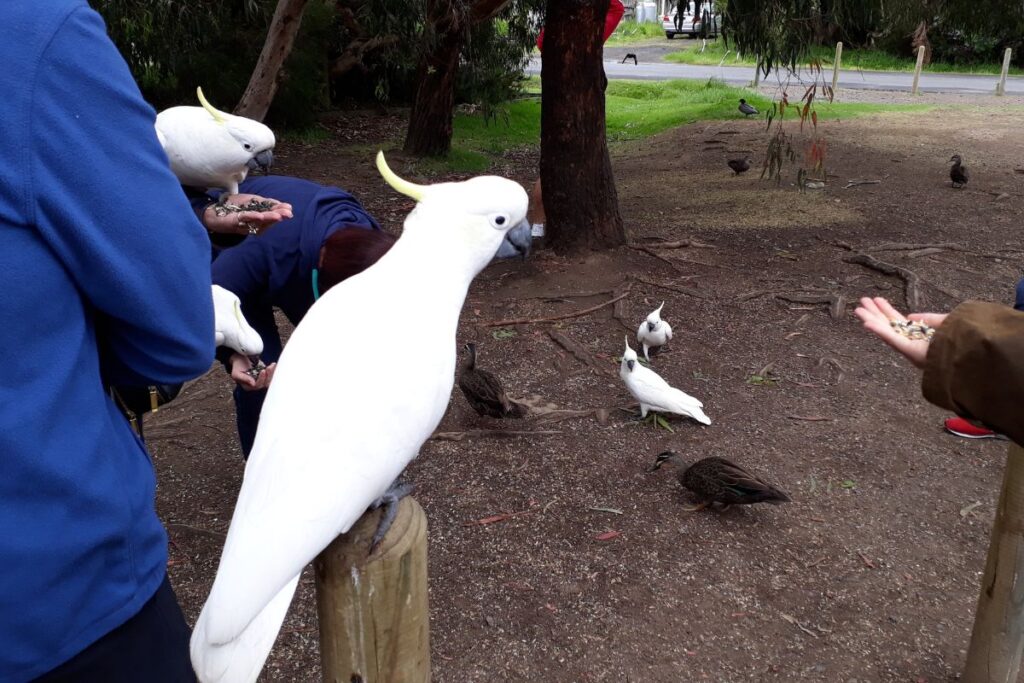
In Melbourne and wider Victoria, there is growing recognition of birdwatching benefits.
As a landscaper, I’ve seen clients transform their gardens—by planting native species, adding water features, and creating shelter—and how those changes not only bring more birds, but also a calmer, more pleasant atmosphere for everyone living there. Neighbours stop to listen. Children watch excitedly. Adults pause, breathe.
Making Birdwatching Part of Your Routine
You don’t need special gear or to travel far. Here are some simple ways to build birdwatching into everyday life:
- Start in your backyard or a nearby park. Even listening to birds from a window can help.
- Set aside a short time each day: 10-15 minutes in the morning or evening, when birds tend to be active.
- Use all your senses: listen for calls, watch for movement, notice colours or shapes.
- Keep things simple. You don’t need to know every species to benefit. Just watching or hearing a few birds is enough.
- Consider joining local birding or mindfulness groups — or citizen science efforts (like bird counts). Sharing with others adds social connection, which supports mental health too.
Final Thoughts – Birdwatching is more than a hobby
Birdwatching combines several powerful ingredients: time outdoors, connection with nature, calm observation, and gentle movement. The research supports what many of us already feel: it’s not just a hobby, but a tool for well-being.
Whether you’re working in gardens and seeing birds in action, sitting quietly with a cup of tea and a pair of binoculars, or just listening to birdsong through an open window, those moments can matter. For mental health, for grounding, for reminding us we’re part of a living ecosystem.
If you haven’t yet tried birdwatching as more than a pastime, give it a go. Notice what it does for your mood, your mind, your ability to slow down. I’ve seen it happen again and again in my work and in my garden—and the small changes often turn out to be the most meaningful.