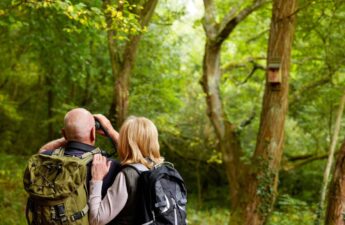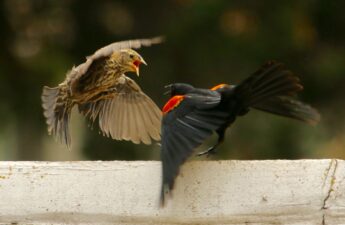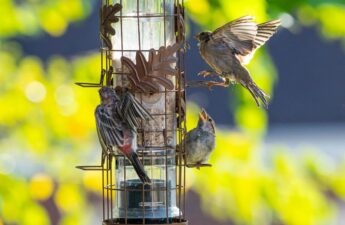
Melbourne is lucky to have an incredible variety of birdlife, and one of the things I’ve come to love most about birdwatching here is how much it changes with the seasons. Each time of year brings its own patterns—some species arrive, others move on, and many adjust their behaviour depending on the weather and food available.
As someone who works as a landscaper, I often notice these changes while out on the job. A tree that bursts into flower in spring suddenly attracts honeyeaters, while in autumn I’ll see flocks of lorikeets squabbling over gum blossoms. Watching these cycles makes birding a year-round joy, no matter the season.
Spring: The Season of Song and Nesting
Spring is when Melbourne really comes alive with birds. Warmer weather and longer days signal breeding time, and you’ll hear birdsong everywhere. Magpies are busy nesting, which also means swooping season. While they’re only protecting their young, it’s worth being mindful if you’re out walking or cycling near their territory.
In gardens and bushland, fairywrens become very active, hopping between shrubs in their bright blue breeding plumage. Rosellas and other parrots can be seen inspecting hollows and nest boxes. It’s also the season for migratory birds to return—species like the welcome swallow and rainbow bee-eater reappear as the weather warms.
Spring is the perfect time to visit local parks or even just sit quietly in the backyard, as many birds are at their boldest and most vocal.
During spring, many Melbournians have a ‘spring clean’ and prepare their backyard for summer. For those who have overgrown trees and are thinking of cutting them, keep in mind that birds use trees — even dead ones — as their habitat. If possible, try to engage a Melbourne tree removal service that understands birds nesting requirements. You should also consider that in-land suburbs also differ from suburbs that are closer to the bay areas. So, look for someone as local as possible. The way to appraoch tree removal in Beaumaris in different to how you would approach it in Glen Waverley.
Summer: Wetlands and Coastal Activity
Summer can be harsh in Melbourne, but it’s also one of the best times to explore wetlands and coastal areas. Waterbirds such as pelicans, ibises, herons, and spoonbills are highly active, often feeding in shallow water or roosting in groups. Head to Werribee or the Edithvale-Seaford Wetlands and you’ll likely see a wide mix of species.
Along the coast, migratory shorebirds like sandpipers and curlews arrive from as far away as Siberia, taking advantage of the rich feeding grounds. These long-distance travellers are always fascinating to watch, and summer is the best chance to spot them before they head north again.
Closer to home, many common backyard birds spend more time seeking shade and water. Providing a birdbath can make your garden a hotspot for thirsty visitors such as magpies, noisy miners, and lorikeets.
Autumn: Feeding and Preparing
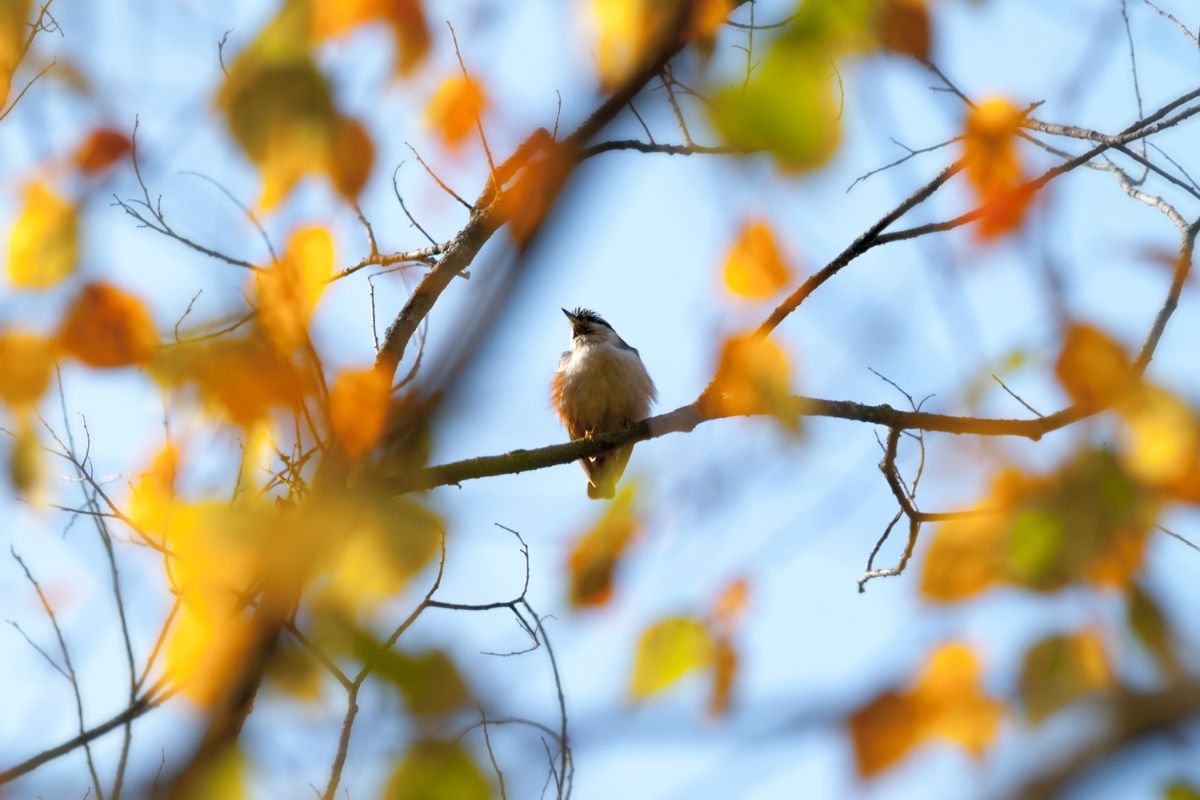
Autumn is a transitional season, with birds busy feeding before the colder months set in. Flowering gums and grevilleas attract honeyeaters, while lorikeets squabble noisily in the canopy. Some migratory species begin their long journeys north, so it’s worth keeping an eye out for swallows and bee-eaters as they gather in flocks.
Currawongs become more noticeable around suburban areas, calling loudly from tall trees. This is also a good time to spot pardalotes and thornbills, which spend much of the season foraging among eucalypt leaves for insects.
For birdwatchers, autumn is a quieter but rewarding season—it’s less about breeding displays and more about observing feeding behaviour and seasonal movement.
Winter: Subtle but Rewarding
Winter might feel like the slowest time for birdwatching, but there’s still plenty to see if you know where to look. Larger species like ravens, cockatoos, and corellas are highly visible, often gathering in noisy flocks.
Currawongs, which spend summer in the mountains, often move into lower areas and become a regular sight in suburban Melbourne. Waterbirds are also a highlight during winter, as many are easier to spot against bare wetlands and open spaces.
While smaller insect-eating species may be quieter, winter can be a good time to watch them more closely without as much leaf cover. Spending time in bushland or reserves on a crisp winter morning often rewards you with peaceful encounters and fewer crowds.
A Year-Round Hobby
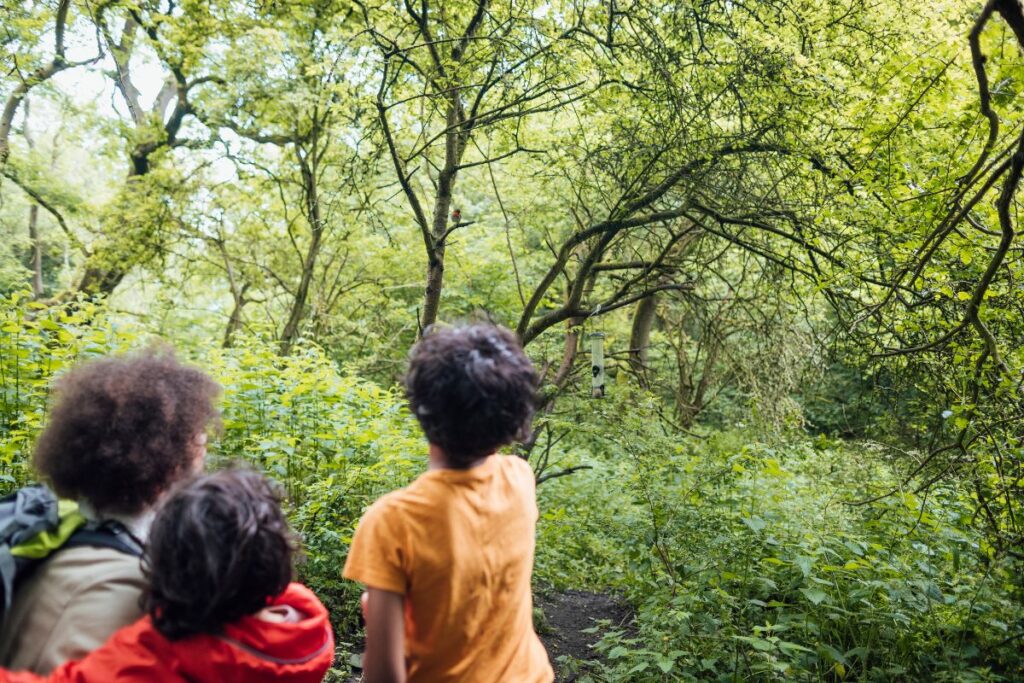
What makes birdwatching in Melbourne so enjoyable is that no two seasons feel the same. Spring brings colour and song, summer is alive with wetland and coastal activity, autumn is full of feeding and preparation, and winter offers quieter but equally rewarding moments.
For me, noticing these changes is a reminder of how connected birds are to the rhythms of nature. The same gum tree I might prune while landscaping in one season becomes a feeding ground the next. Paying attention to these cycles has deepened both my work and my birdwatching, and it makes even the most ordinary day outdoors more interesting.
Final Thoughts
Whether you’re just starting out or have been birdwatching for years, Melbourne offers something new each season. You don’t need to travel far—local parks, reserves, and even backyards provide opportunities to see the city’s birdlife in action. By tuning in to the rhythms of the year, you’ll soon find yourself looking forward to each change of season, not just for the weather but for the birds it brings. And once you start noticing, you’ll realise that birdwatching is truly a hobby that never goes out of season.